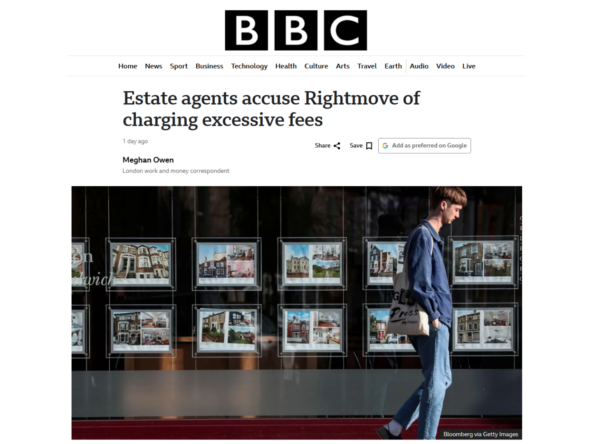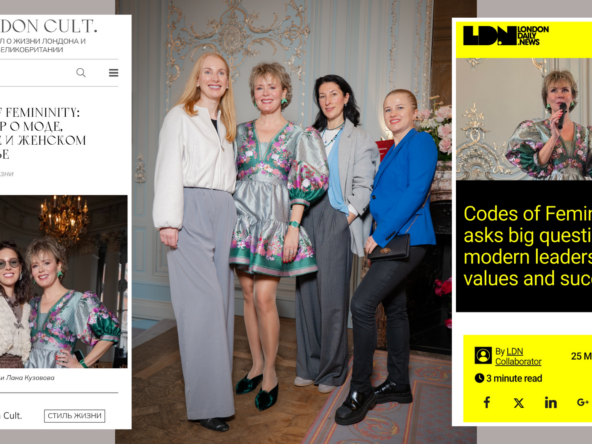
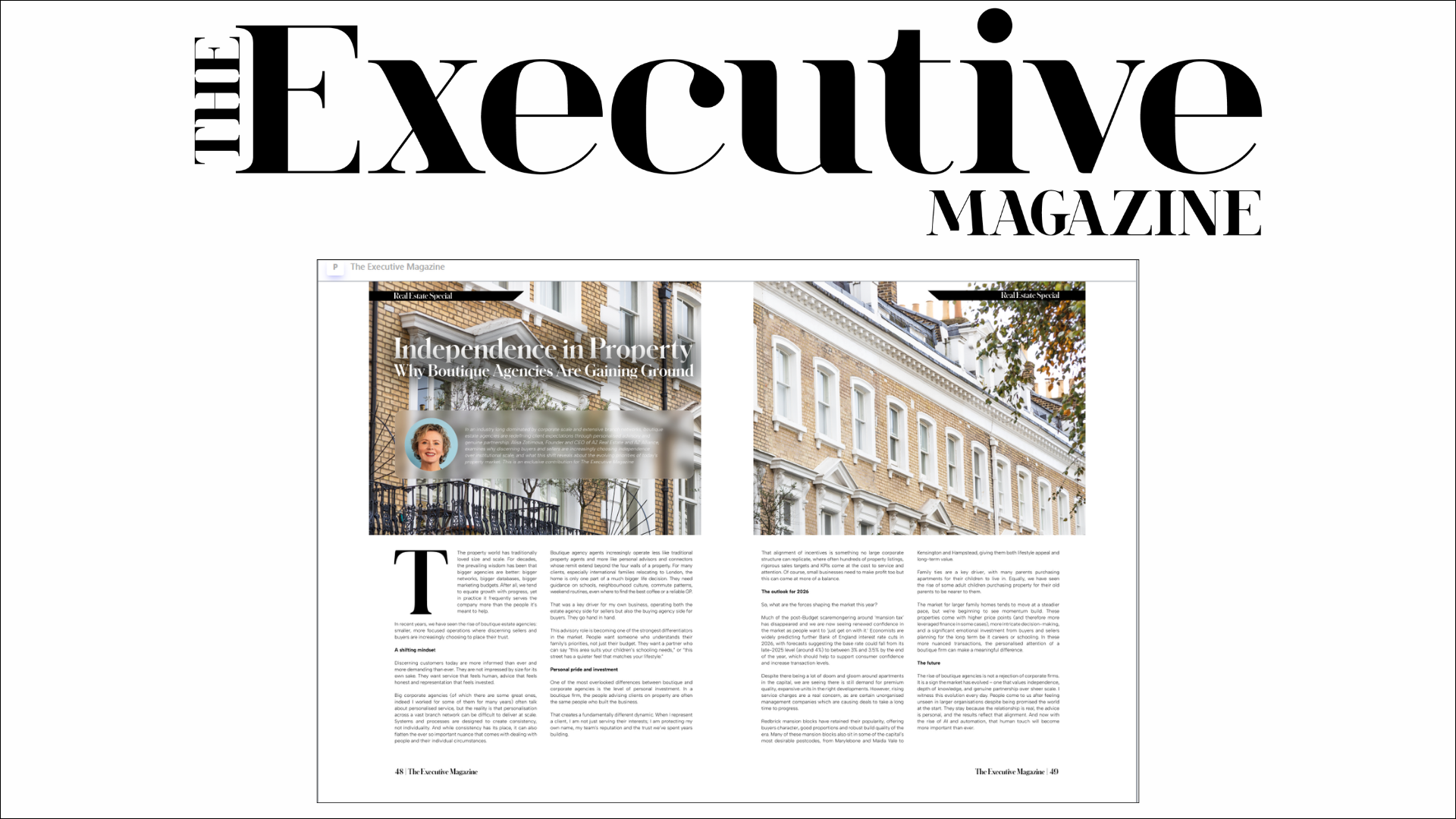
Our Founder and CEO, Alisa Zotimova, has contributed an expert article to the latest issue of The Executive Magazine, published on February 12th, 2026. You can read the full piece via the link, or find the complete text included here.
The property world has traditionally loved size and scale. For decades, the prevailing wisdom has been that bigger agencies are better: bigger networks, bigger databases, bigger marketing budgets. After all, we tend to equate growth with progress; yet in practice, it frequently serves the company more than the people it’s meant to help.
In recent years, we have seen the rise of boutique estate agencies — smaller, more focused operations where discerning sellers and buyers are increasingly choosing to place their trust.
A shifting mindset
Discerning customers today are more informed than ever and more demanding than ever. They are not impressed by size for its own sake. They want service that feels human, advice that feels honest, and representation that feels invested.
Big corporate agencies (of which there are some great ones, indeed I worked for some of them for many years) often talk about personalised service, but the reality is that personalisation across a vast branch network can be difficult to deliver at scale. Systems and processes are designed to create consistency, not individuality. And while consistency has its place, it can also flatten the ever-so-important nuance that comes with dealing with people and their individual circumstances.
Boutique agency agents increasingly operate less like traditional property agents and more like personal advisors and connectors, whose remit extends beyond the four walls of a property. For many clients, especially international families relocating to London, the home is only one part of a much bigger life decision. They need guidance on schools, neighbourhood culture, commute patterns, weekend routines, even where to find the best coffee or a reliable GP.
That was a key driver for my own business, operating both the estate agency side for sellers but also the buying agency side for buyers. They go hand in hand. This advisory role is becoming one of the strongest differentiators in the market. People want someone who understands their family’s priorities, not just their budget. They want a partner who can say “this area suits your children’s schooling needs,” or “this street has a quieter feel that matches your lifestyle”.
Personal pride and investment
One of the most overlooked differences between boutique and corporate agencies is the level of personal investment. In a boutique firm, the people advising clients on property are often the same people who built the business.
That creates a fundamentally different dynamic. When I represent a client, I am not just serving their interests, I am protecting my own name, my team’s reputation, and the trust we’ve spent years building. That alignment of incentives is something no large corporate structure can replicate, where often hundreds of property listings, rigorous sales targets, and KPIs come at the cost of service and attention. Of course, small businesses need to make profit too, but this can come at more of a balance.
The outlook for 2026
So, what are the forces shaping the market this year? Much of the post-Budget scaremongering around mansion tax has disappeared, and we are now seeing renewed confidence in the market as people want to just get on with it.
Economists are widely predicting further Bank of England interest rate cuts in 2026, with forecasts suggesting the base rate could fall from its late-2025 level (around 4%) to between 3% and 3.5% by the end of the year, which should help to support consumer confidence and increase transaction levels.
Despite there being a lot of doom and gloom around apartments in the capital, we are seeing there is still demand for premium quality, expansive units in the right developments. However, rising service charges are a real concern, as are certain unorganised management companies which are causing deals to take a long time to progress.
Red-brick mansion blocks have retained their popularity, offering buyers character, good proportions, and robust build quality of the era. Many of these mansion blocks also sit in some of the capital’s most desirable postcodes, from Marylebone and Maida Vale to Kensington and Hampstead, giving them both lifestyle appeal and long-term value.
Family ties are a key driver, with many parents purchasing apartments for their children to live in. Equally, we have seen the rise of some adult children purchasing property for their older parents to be nearer to them.
The market for larger family homes tends to move at a steadier pace, but we’re beginning to see momentum build. These properties come with higher price points (and therefore more leveraged finance in some cases), more intricate decision-making, and a significant emotional investment from buyers and sellers planning for the long term. In these more nuanced transactions, the personalised attention of a boutique firm can make a meaningful difference.
The future
The rise of boutique agencies is not a rejection of corporate firms. It is a sign the market has evolved — one that values independence, depth of knowledge, and genuine partnership over sheer scale. I witness this evolution every day; people come to us after feeling unseen in larger organisations despite being promised the world at the start.
They stay because the relationship is real, the advice is personal, and the results reflect that alignment. And now, with the rise of AI and automation, that human touch will become more important than ever.